Frequently Asked Questions
EVERYTHING
YOU NEED
TO KNOW
No jargon. No faff. Just straight answers — from people who've spent decades working with the best pizzerias in the country.
Make sure your oven is set to grill mode at the maximum temperature, ideally 250–260°C or higher.
Use a 9–12 inch frying pan that can go from hob to oven, with a metal or oven-safe handle suitable for high heat.
Cook the pizza in the pan for 2–3 minutes over medium-high heat until the base becomes lightly browned. Then transfer to the oven and bake for a further 2–3 minutes until the crust and cheese begin to colour. Rotate once during baking for even cooking.
Yes, but it will produce a different result because it uses a different cooking method.
- Preheat your oven fully
- Avoid overloading the pizza with toppings
- Cook at high heat
- Too many toppings with high moisture
- Oven temperature too low
- Slow baking traps moisture in the dough
- Rotate the pizza during baking
- Adjust the oven rack height
- Reduce grill heat slightly if needed
Hydration refers to the amount of water in the dough compared to the flour. Higher hydration creates a lighter, airier crust.
Hydration affects the texture, stretchability and final crust structure, helping achieve a soft interior with a crisp base.
Sticky dough is normal with higher-hydrated dough. Lightly flour your hands and work surface when handling it. A dough scraper can help to lift the dough from your surface in one piece.
Stretch by hand from the centre outward, leaving the edges slightly thicker for the crust.
Rolling pins push out the gas created during proving — and that's what gives your crust its lightness. Stretch by hand instead.
Let the dough rest for a few minutes to relax the gluten, then stretch again.
- Let the dough rest longer
- Stretch gently from the centre outward
- Handle the dough lightly
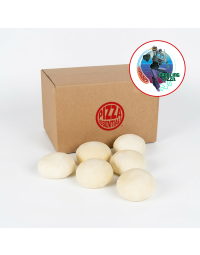
Keep them chilled in the fridge until you are ready to prove them.
Up to 72 hours before proving.
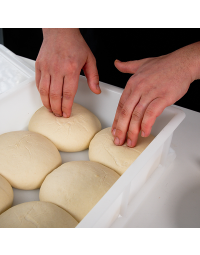
Only prove them when you plan to use them the same day.
They expand during proving and need room to rise.
This prevents the dough surface from drying out.
Usually 5–7 hours at room temperature (18–22°C).
- The dough has expanded
- It feels soft and airy
- It stretches easily
It can become very soft and difficult to handle.
Store unused dough in the fridge and use within the recommended time.
No. Food-grade plastic containers will not affect flavour when used correctly.
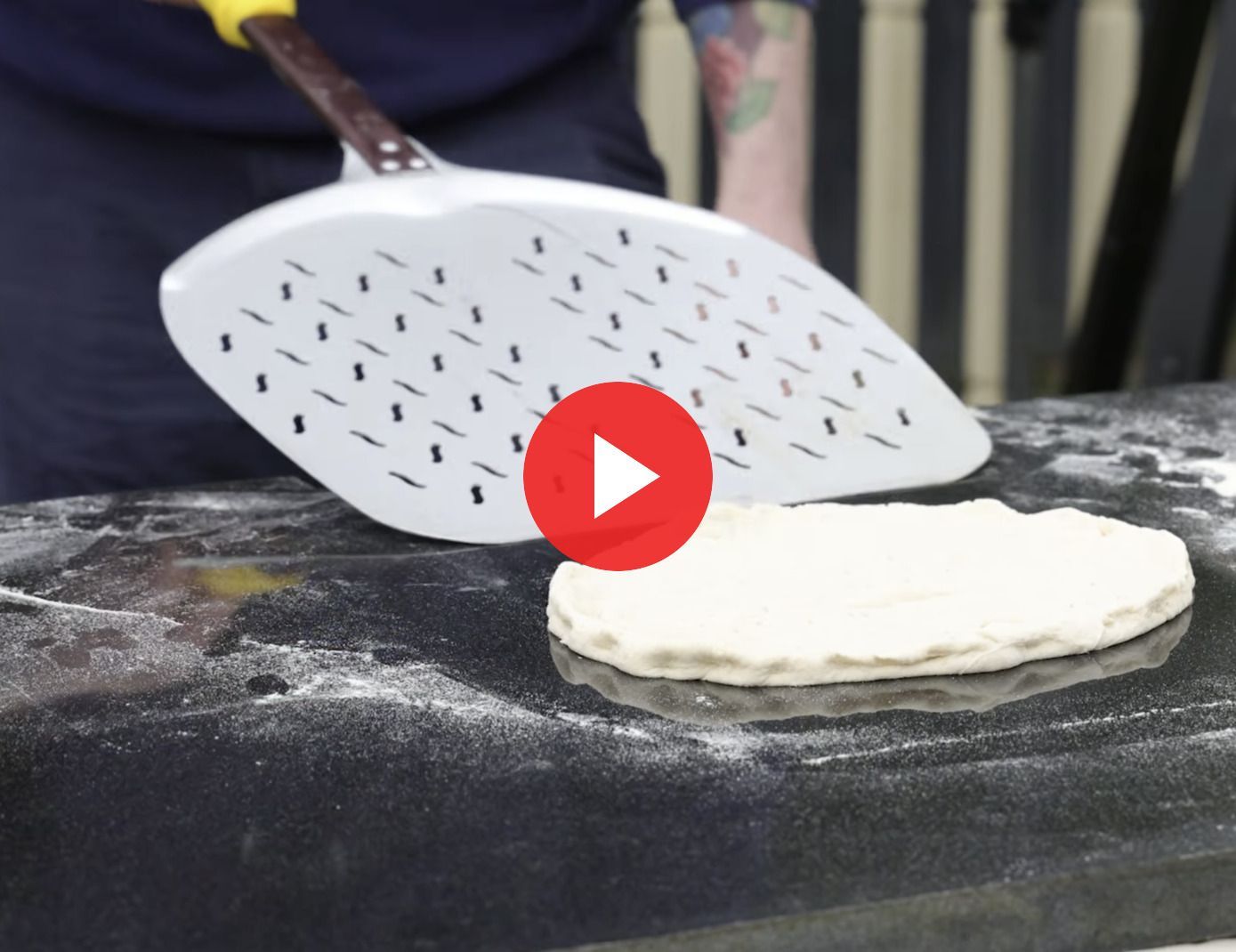
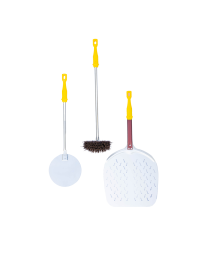
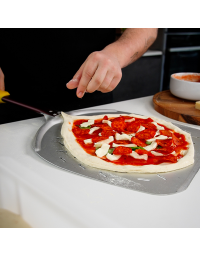
Perforations allow excess flour to fall away before baking, helping keep the oven clean.
Only a light dusting. Too much flour can burn during baking.
Lightly dust the peel with flour or semolina and gently shake it before loading the pizza.
Brush off excess flour after use. Once the peel has cooled, wipe with warm water and dry thoroughly.
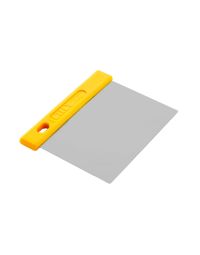
A scraper is used to portion dough, lift sticky dough from the work surface, and clean flour or residue from the bench.
Press the blade down to divide dough portions and lift dough pieces without stretching them.
No, when used gently it is safe for most preparation surfaces.
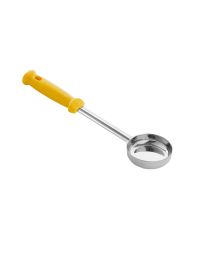
It is used to portion and spread tomato sauce evenly across the pizza base in a circular motion.
The order cut-off time is midnight (12:00 am) each day. Orders placed after midnight will be processed the following day.
Orders are packed the next working day, collected by the courier at 16:00, and delivered the following day.
Your delivery day depends on when your order is placed:
| Order placed | Delivery day |
|---|---|
| Monday | Wednesday |
| Tuesday | Thursday |
| Wednesday | Friday |
| Thursday | Saturday |
| Friday | Tuesday |
| Saturday | Tuesday |
| Sunday | Tuesday |
Orders placed on Friday, Saturday or Sunday are packed on Monday and delivered on Tuesday.
Yes. Once your order has been collected by the courier, you will receive tracking information to follow your delivery.
Orders placed after midnight will be processed the next working day, which may move the delivery date by one day.
Need a hand? Our team is here to help — get in touch and we'll sort it.
LEARN FROM THE BEST